Brand
Hublot
Material fusion, porthole case, unmistakable.
- Country
- Switzerland
- Founded
- 1980
- Tier
- Luxury
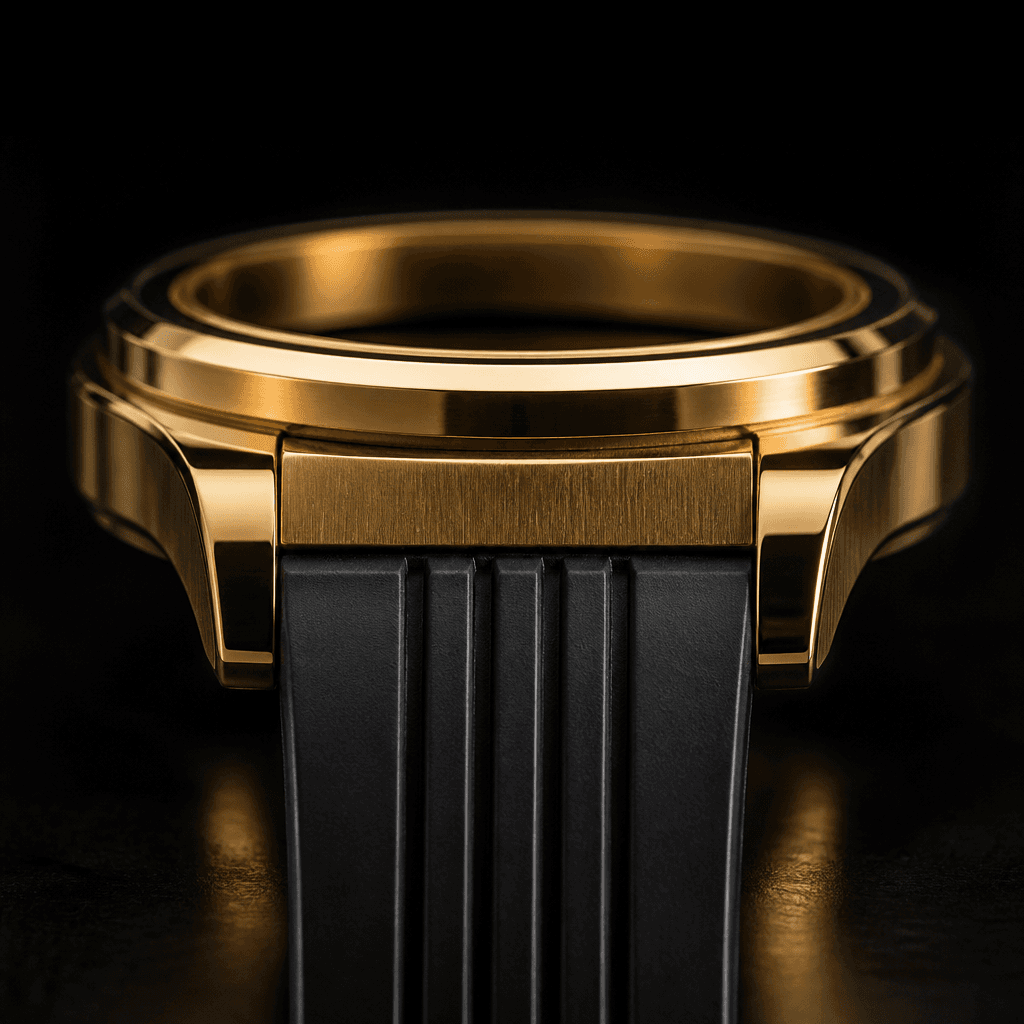
About Hublot
Hublot arrived in 1980 with a single idea that offended traditionalists: a gold case on a natural rubber strap. The name means porthole in French, which describes the bezel with its exposed H-shaped screws. Under Jean-Claude Biver the 2005 Big Bang turned the 'art of fusion' into a whole catalogue — ceramic, carbon, Magic Gold, and cases machined from solid sapphire.
Signature models
The references that define the house — and the ones you are most likely to meet.
- Big Bang
- Classic Fusion
- Spirit of Big Bang
- Big Bang Unico
- MP Series
What to look for
Details worth checking before you trust a dial. None of them certify authenticity on their own.
- Six H-shaped screws set into the bezel, evenly torqued and all oriented the same way
- A dense, sandwich-construction case — Hublots are heavy, and a light one is suspect
- The Unico caliber puts the chronograph's column wheel on the dial side, visible through an aperture
- Rubber straps should smell and feel like natural rubber, with a crisply moulded logo, not a printed one
Facts
- Hublot machines complete cases from solid blocks of synthetic sapphire — a material so hard it can only be cut by diamond tooling.
- Magic Gold is 18k gold fused with ceramic, hard enough to resist scratching from almost anything except diamond.
Keep reading
 Brand
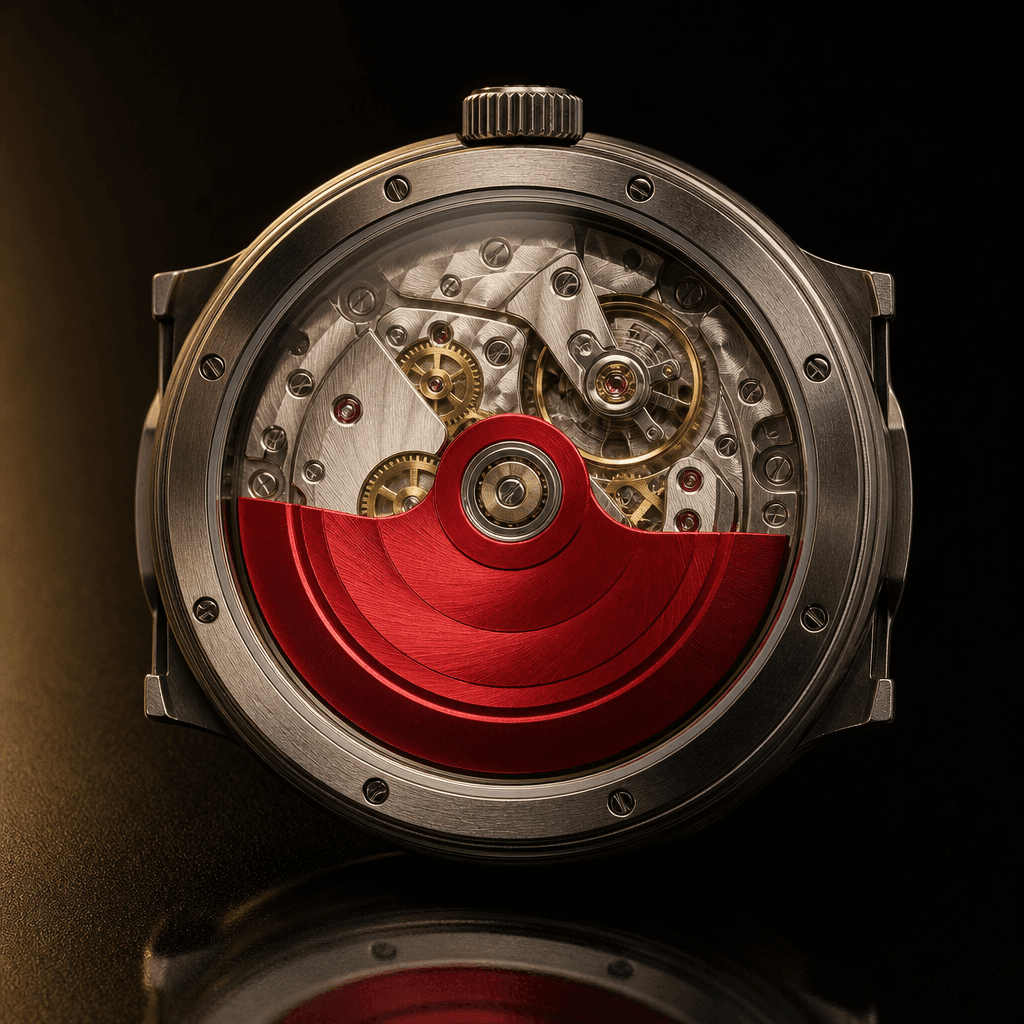
BrandOris
Independent, mechanical-only, with a red rotor.
 Brand
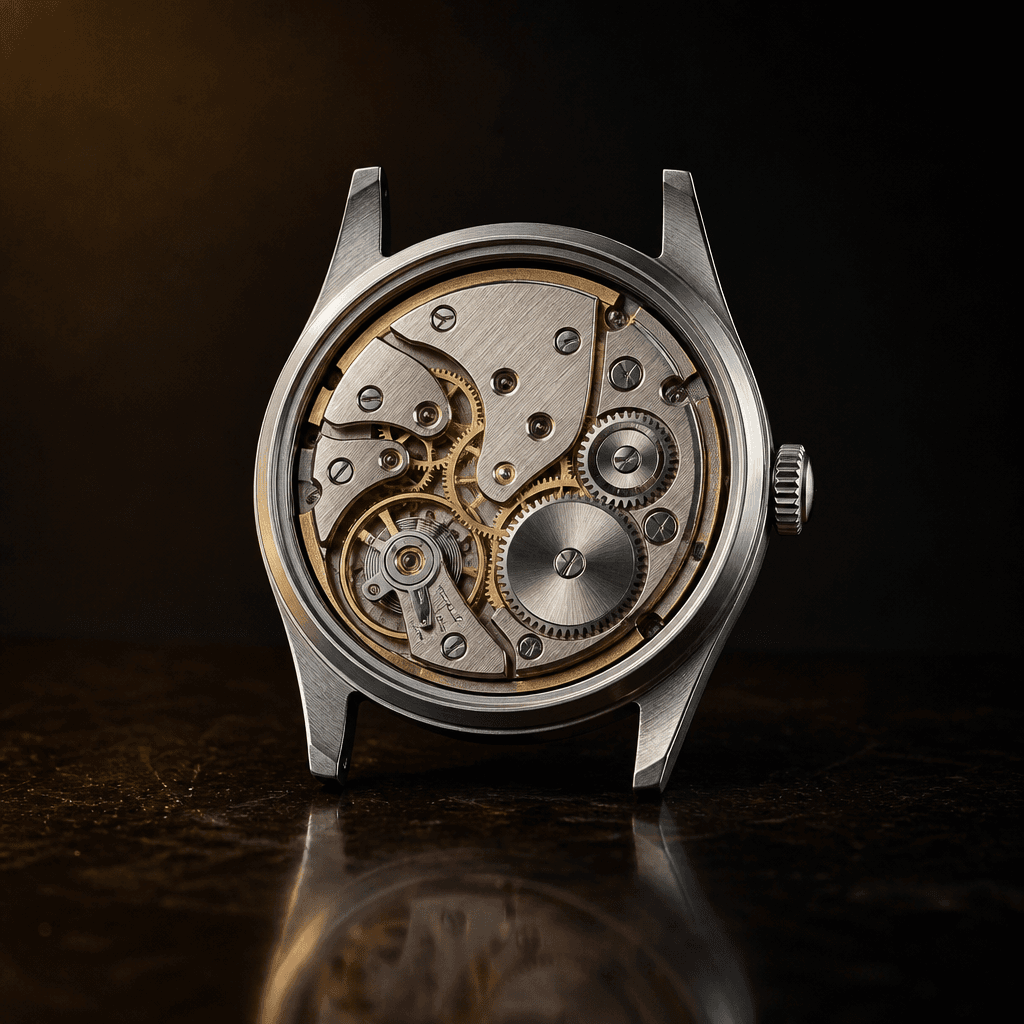
BrandTissot
Swiss mechanical watchmaking at the entry point.
 Movement
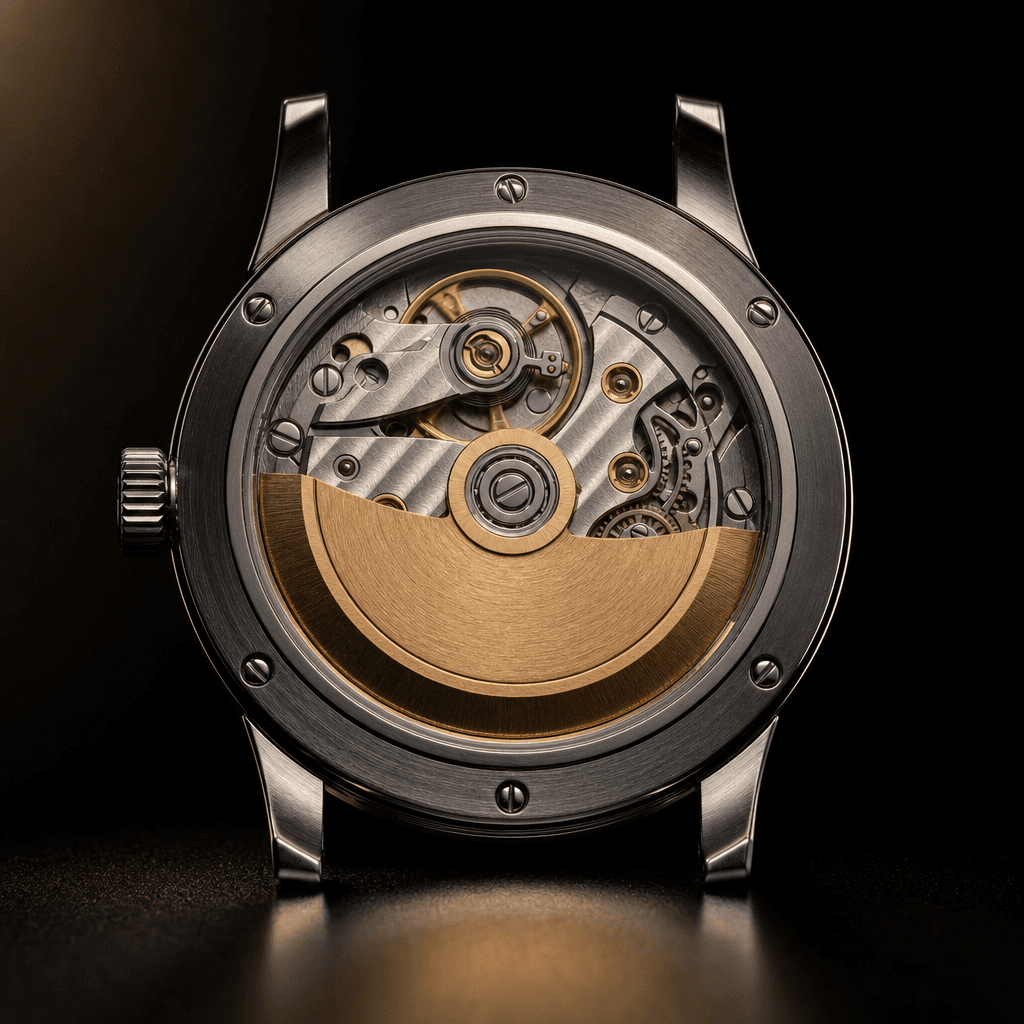
Automatic (Self-Winding)
A rotor winds the mainspring from your wrist motion.
 Movement
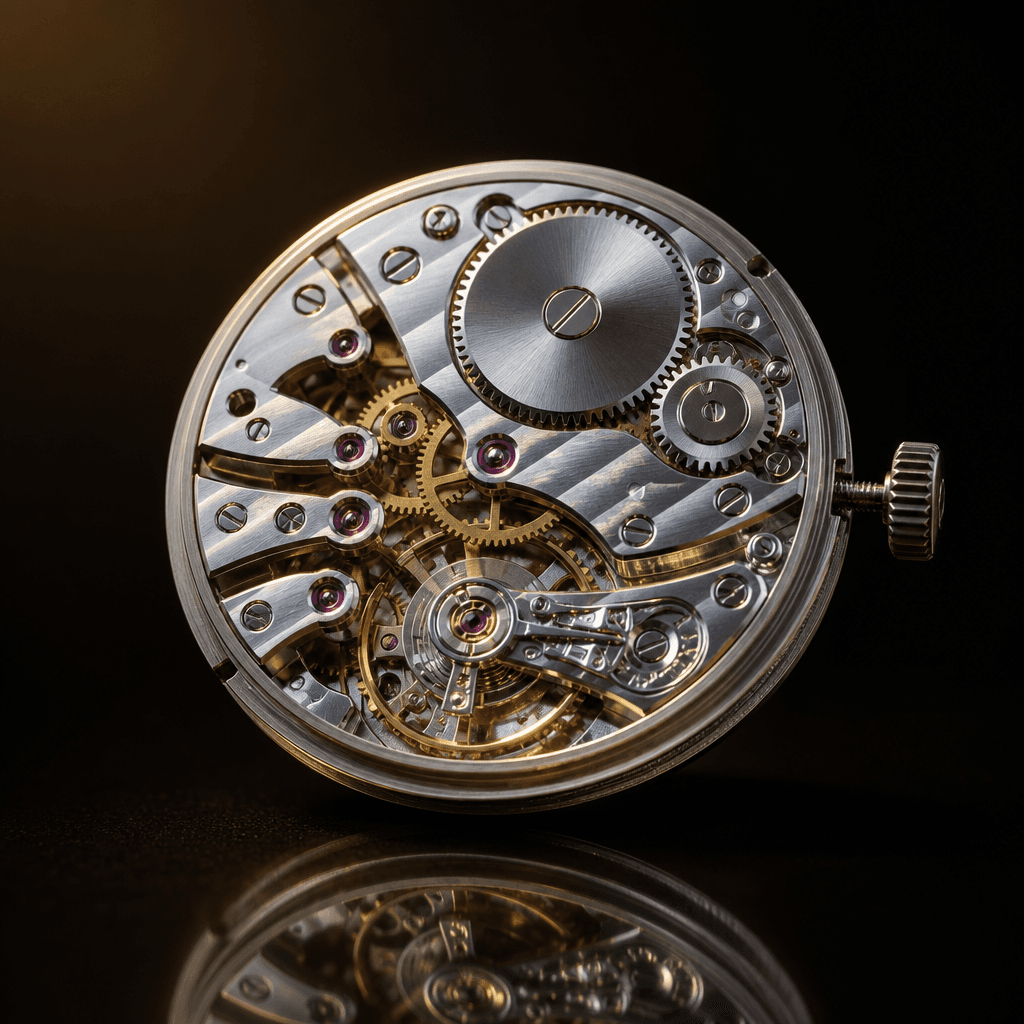
Manual (Hand-Wound)
You wind the crown; the purest mechanical experience.
 Movement
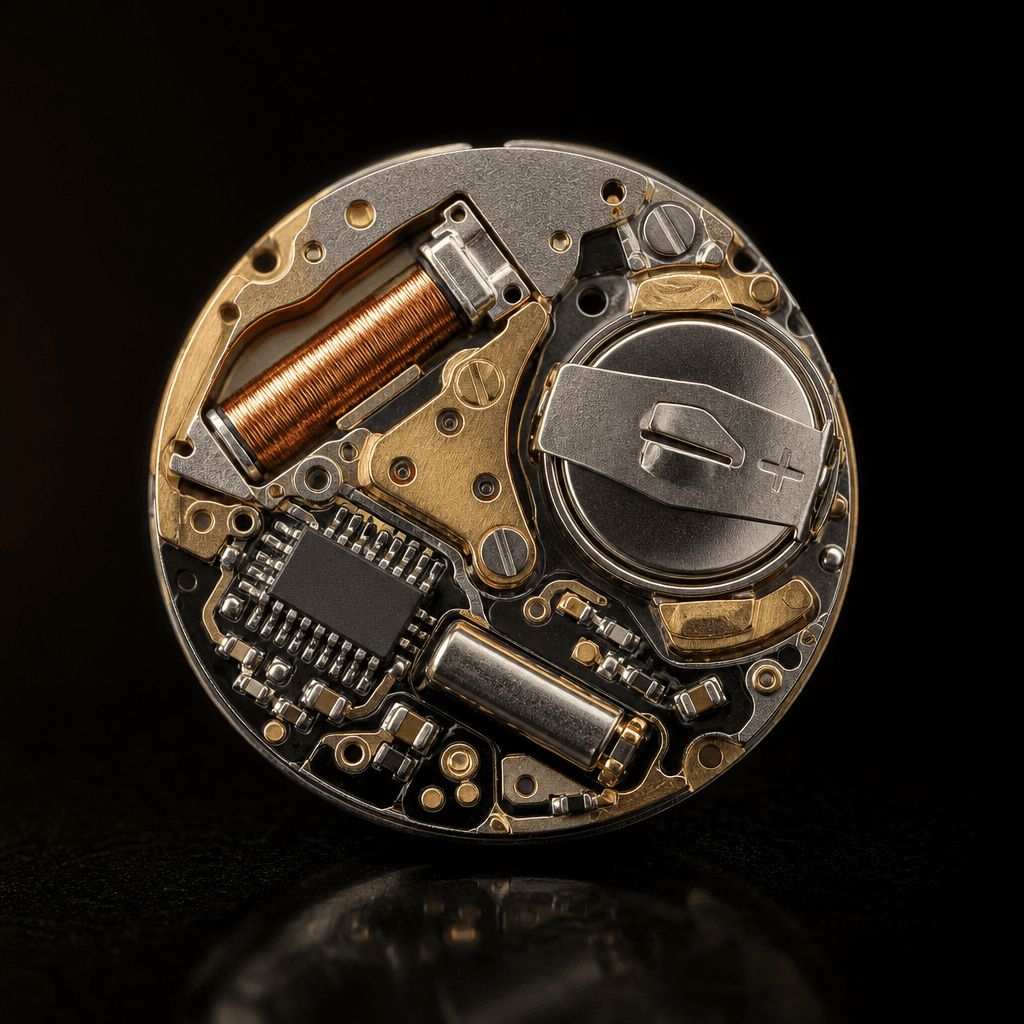
Quartz
A battery and a vibrating crystal — cheap and precise.
 Movement
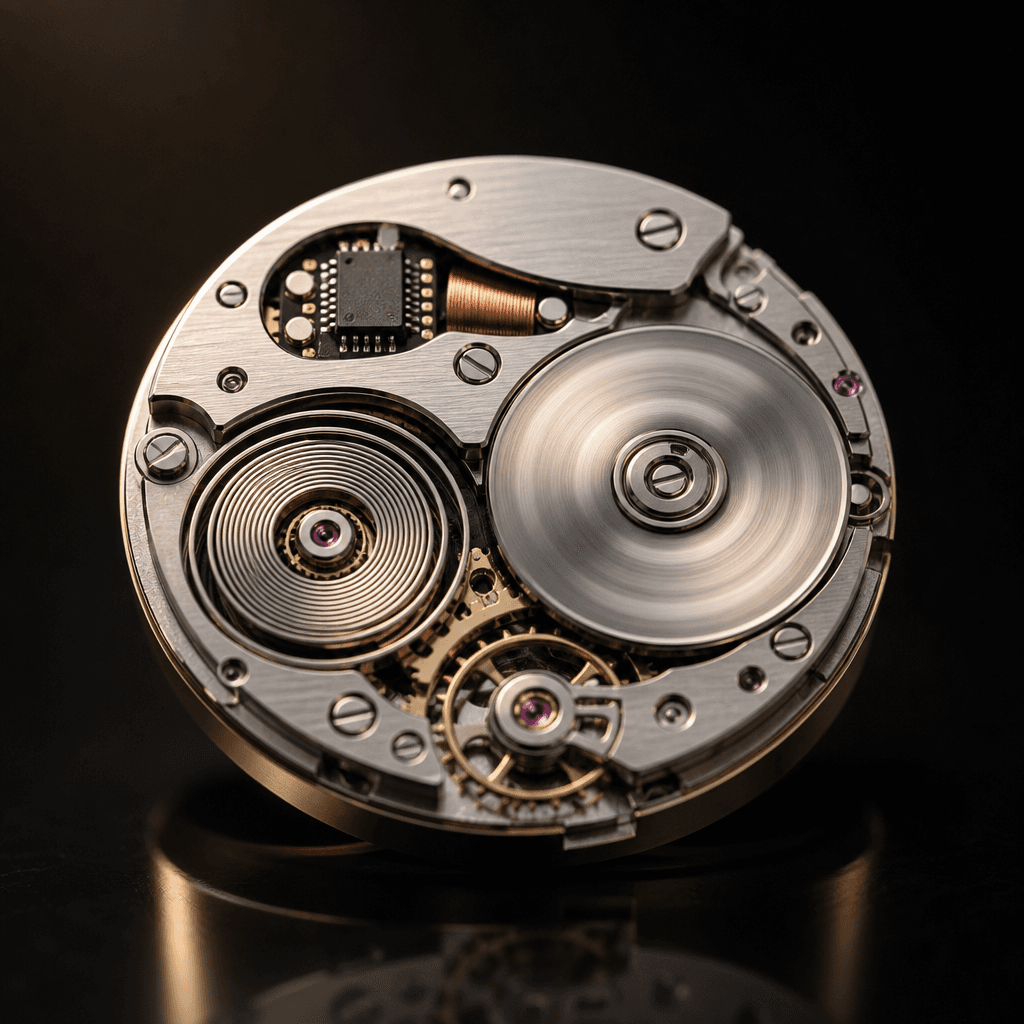
Spring Drive
A mechanical mainspring regulated with quartz precision.