Movement
Digital (LCD/LED)
A quartz movement with a screen instead of hands.
- Typical accuracy
- Typically ±15 to ±30 seconds per month.
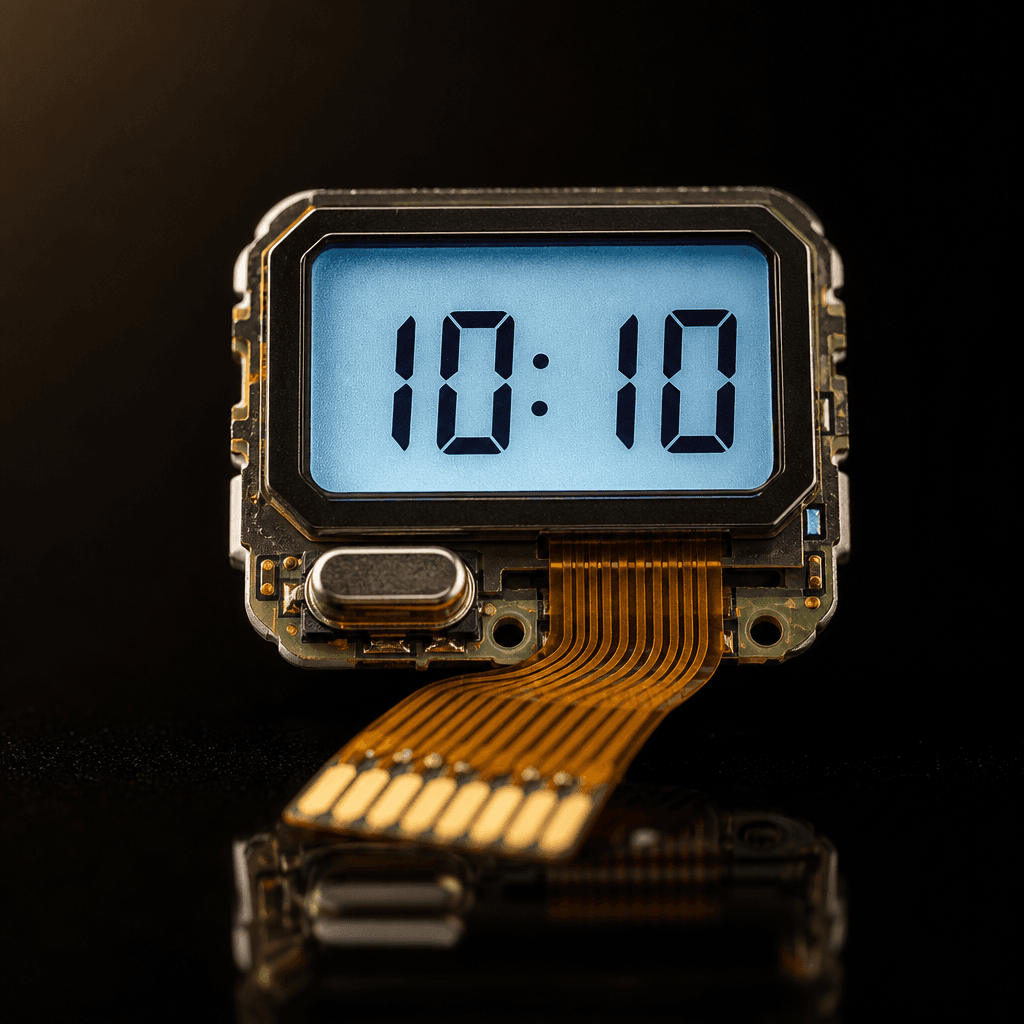
How it works
A quartz oscillator feeds an integrated circuit which drives a liquid-crystal display rather than a motor and hands. Because the output is a screen, the same module can show alarms, timers, a calendar, world time, a stopwatch and sensor data — functions that would each need a separate mechanism in an analogue watch.
Strengths
- Extremely accurate and cheap
- Many functions in one movement
- Battery life often measured in years
- Very light and shock-tolerant
Trade-offs
- Displays fade, bleed or go dim with age
- Difficult to read at a glance compared with hands
- Almost no collector value, with a few cult exceptions
- Modules are usually replaced rather than repaired
Care tips
How to keep one running well between services.
- Note the module number on the caseback — it, not the model name, is what a repairer needs
- Avoid prolonged heat, which permanently darkens LCD segments
- Replace the battery promptly; a leaking cell will destroy the module
Keep reading
 Complication
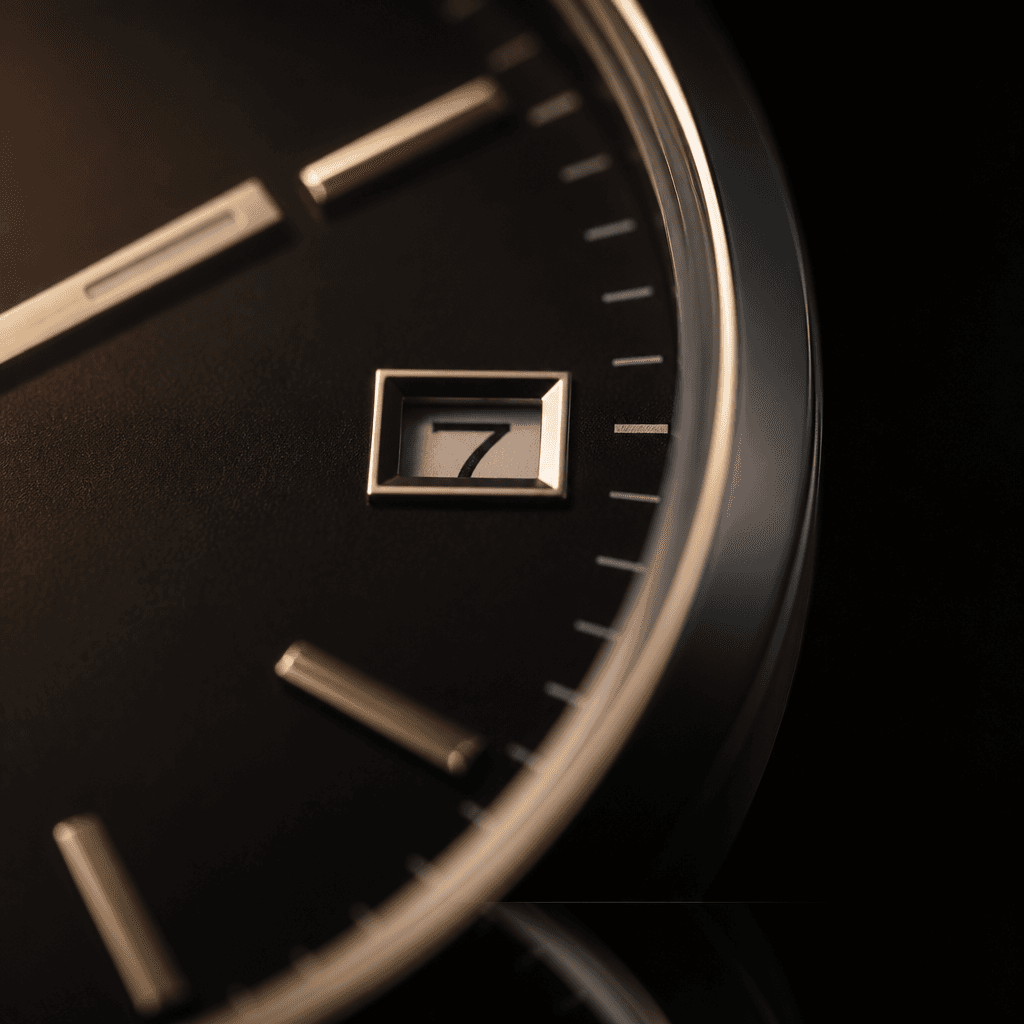
Date
The most common complication — the day of the month.
 Complication
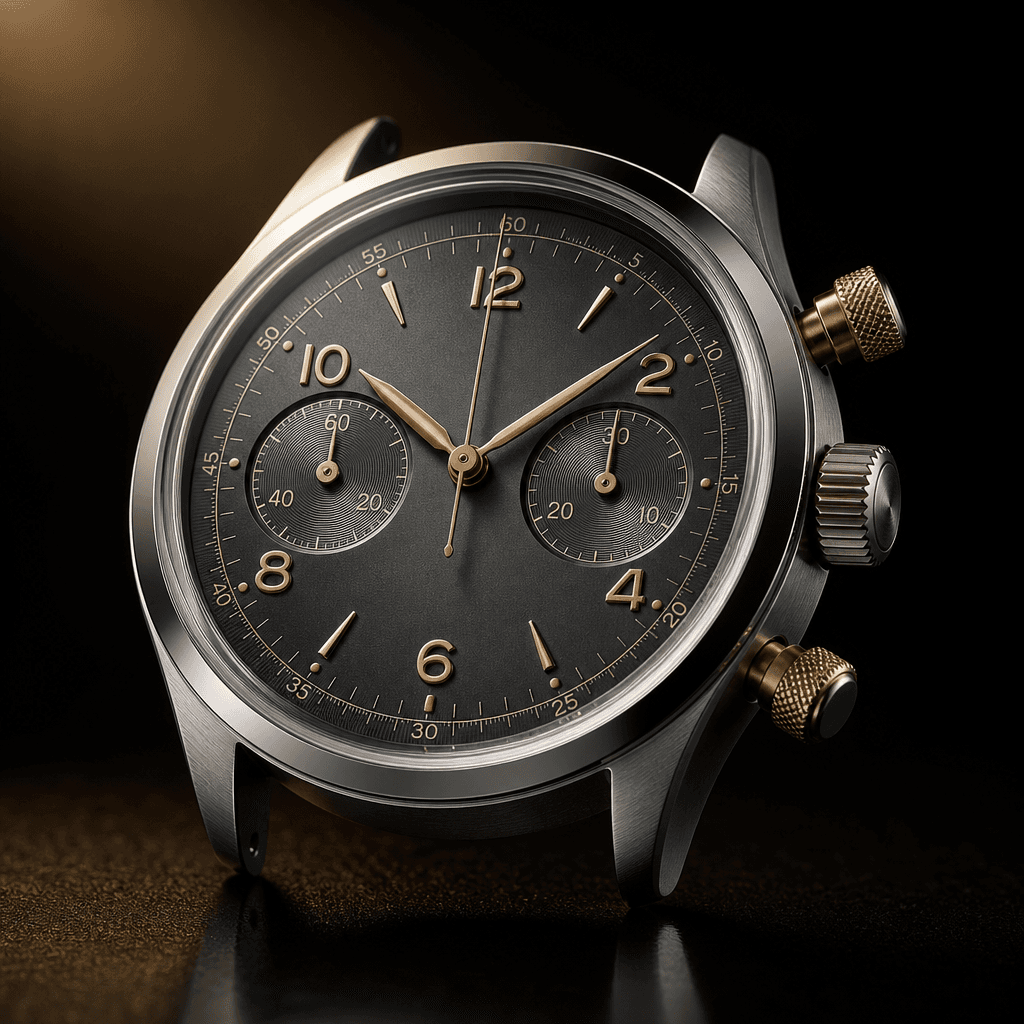
Chronograph
A stopwatch built into the watch.
 Complication
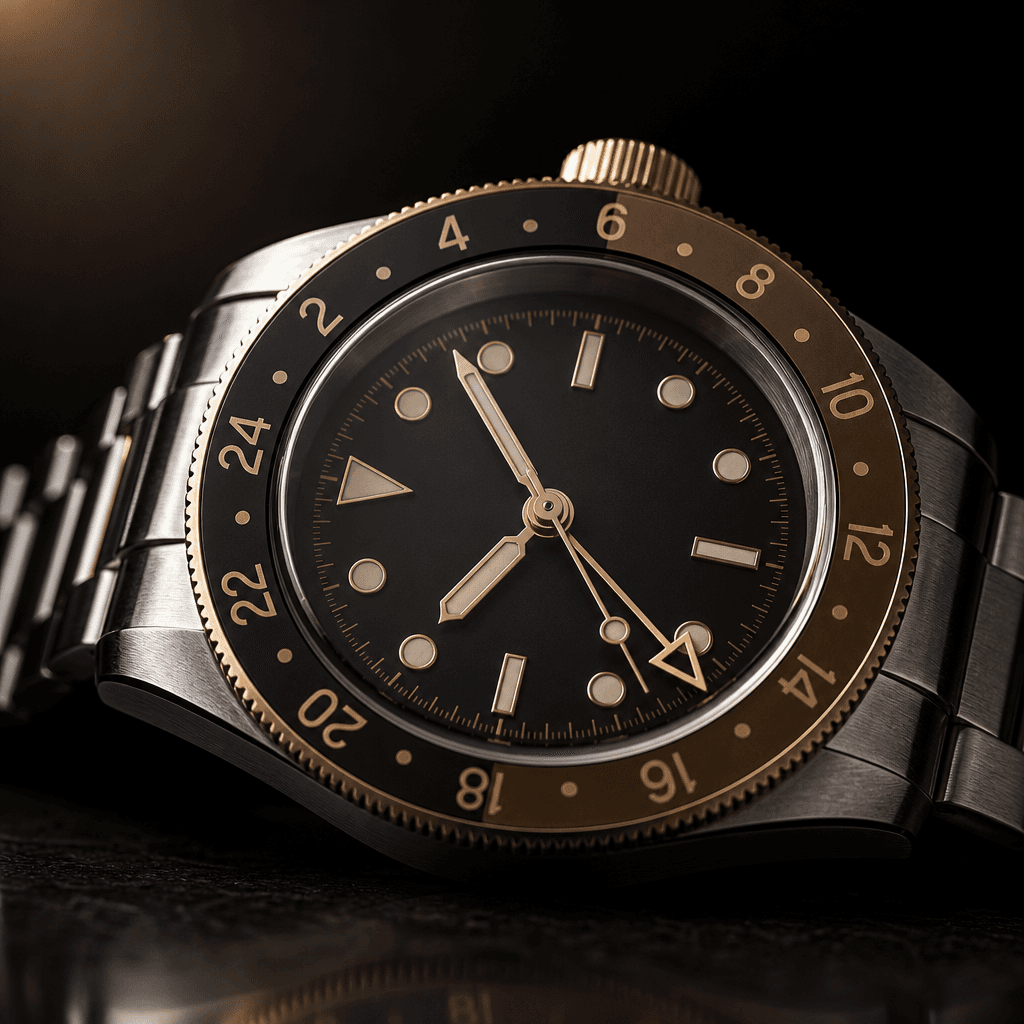
GMT / Dual Time
Tracks a second (or more) time zone at a glance.
 Complication
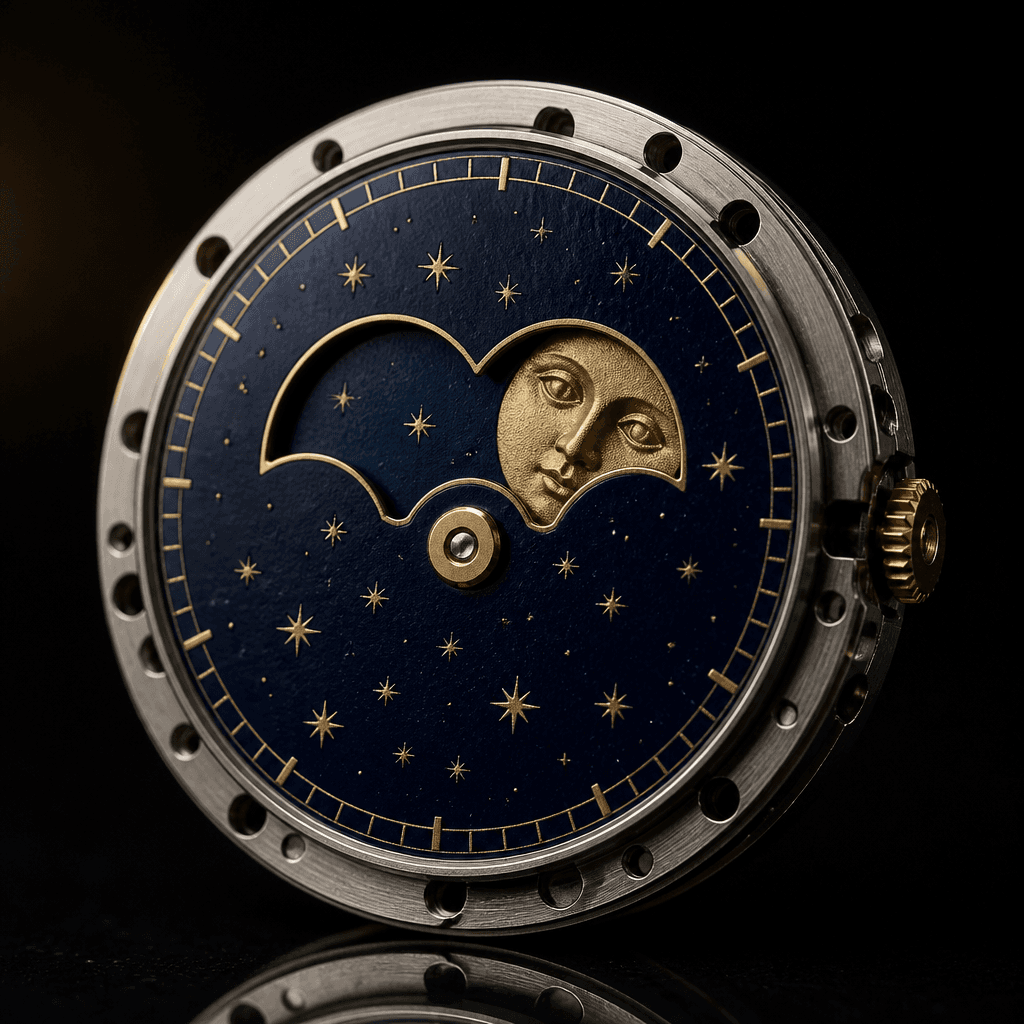
Moonphase
A little window that follows the lunar cycle.
 Complication
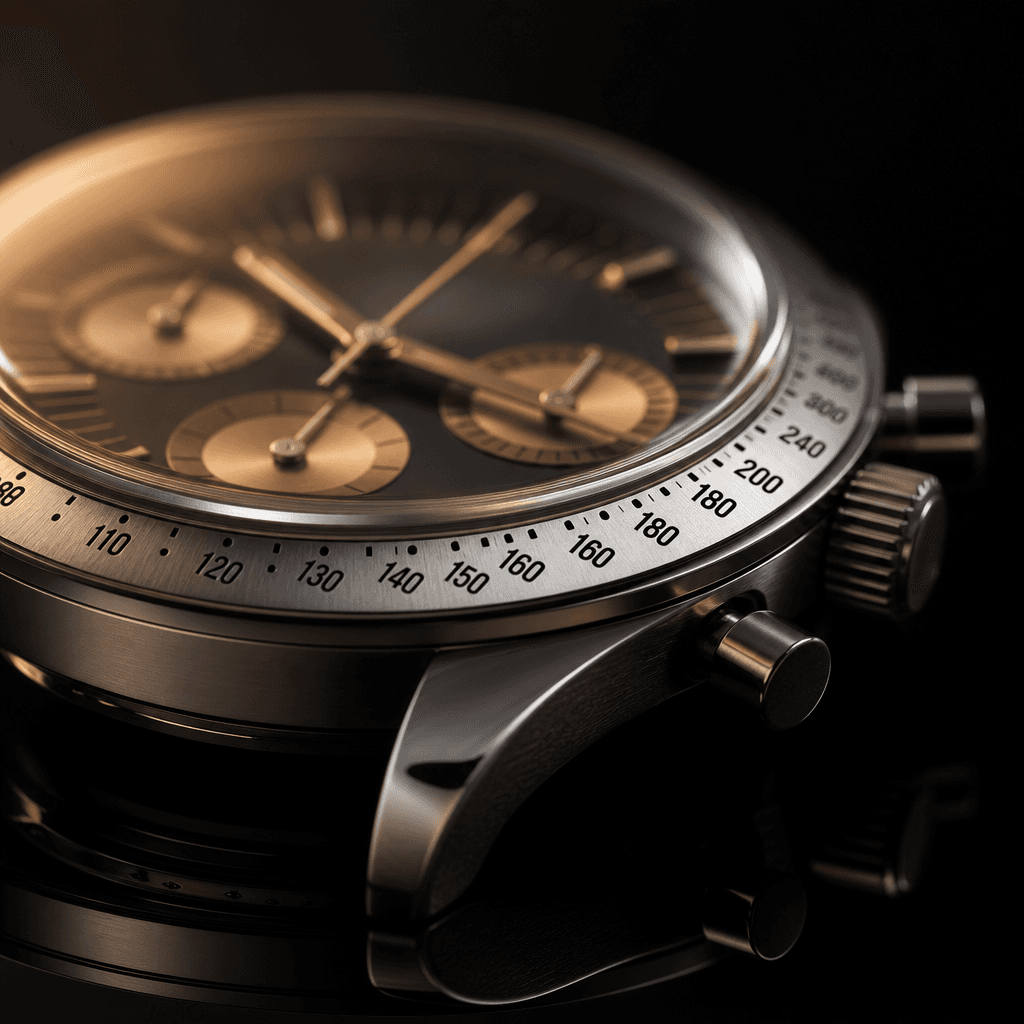
Tachymeter
A bezel scale that converts elapsed time into speed.
 Complication
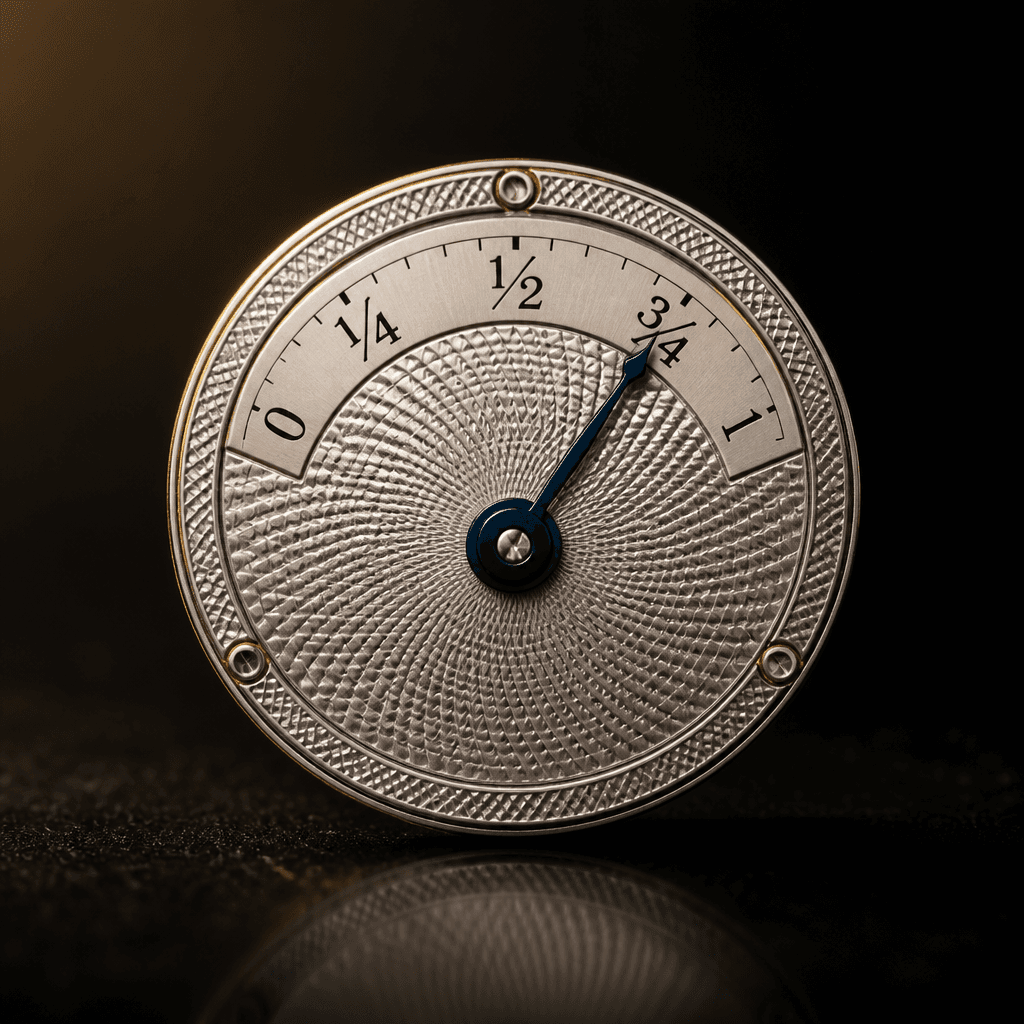
Power Reserve Indicator
A fuel gauge for the mainspring.